Winter Tree Care in Northeast Florida:
Why the “Slow Season” Is Still Important
Winter Tree Care in Northeast Florida: Why the “Slow Season” Is Still Important
Winter in Northeast Florida doesn’t usually mean snow and ice —but the cooler temperatures and reduced growth make this one of the best times of year to care for your trees.
From live oaks and magnolias to pines and palms, local trees benefit greatly from proactive winter maintenance. Here’s what homeowners of the Jacksonville area should know.
1. Winter Is Ideal for Pruning Many Trees
In Northeast Florida, many hardwood trees like live oaks, red maples, and elms slow their growth during the winter months. This makes it an excellent time for structural pruning.
Winter pruning can:
- Improve tree shape and long-term structure
- Remove dead, weak, or crossing branches
- Reduce the risk of limb failure during spring storms
- Encourage healthier new growth in spring
- For live oaks especially, winter pruning can help reduce stress and improve airflow through the canopy before hurricane season arrives
2. Prepare for Spring and Hurricane Season
While hurricane season doesn’t start until June, winter is the safest and smartest time to prepare.
Heavy spring storms combined with saturated soil can cause weak limbs or entire trees to fail.
A professional winter inspection can identify:
- Overextended limbs near your roof
- Dead or decaying branches
- Trees leaning toward structures
- Root instability after heavy rains
- Proactive trimming now can prevent costly storm damage later
3. Watch for Winter Pests (They Don’t Fully Disappear Here)
Unlike colder climates, Northeast Florida rarely experiences prolonged hard freezes. That means certain pests remain active year-round.
- Common local concerns include:
- Pine bark beetles
- Scale insects
- Aphids
- Fungal diseases from excess moisture
Early detection is key. Winter inspections allow us to spot problems before warmer temperatures cause rapid spread.
4. Evergreens and Palms Still Need Care
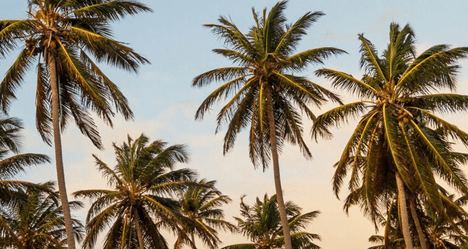
Many of our most popular trees — pines, magnolias, southern live oaks, and palms — remain active through winter.
In drier winter stretches, deep watering may still be necessary. Palms may also benefit from careful trimming of dead fronds, but over-pruning should be avoided.
Winter is also a good time to evaluate palm health before spring fertilization begins.
5. Mulching and Soil Health Matter Year-Round
Adding a fresh layer of mulch in winter helps:
- Retain moisture during dry spells
- Improve soil structure
- Suppress weeds
- Protect roots during occasional cold snaps
- Just remember: keep mulch 2–3 inches away from the trunk to prevent rot and pest issues.
6. Winter Is a Great Time for Tree Removal
If you have a hazardous, declining, or unwanted tree on your property, winter is often the best time for removal.
Benefits include:
- Less impact on surrounding landscaping
- Easier access for equipment
- Reduced stress on neighboring trees
- Better scheduling availability
Addressing problem trees now ensures your property is safer before storm season returns.
7. Protect Your Northeast Florida Landscape This Winter
Even in our mild climate, winter is far from a “do nothing” season for your trees. In fact, it’s one of the most strategic times to improve safety, health, and long-term growth.
Proactive winter tree care can:
- Reduce storm damage risk
- Extend the life of your trees
- Improve curb appeal
- Protect your home and family
If you’d like a winter tree health inspection or pruning consultation in the Jacksonville or Northeast Florida area, our team is here to help.
🌳 Call (904) 282-3819 today and schedule your winter tree evaluation before spring growth begins. Mention this post and receive free stump grinding!